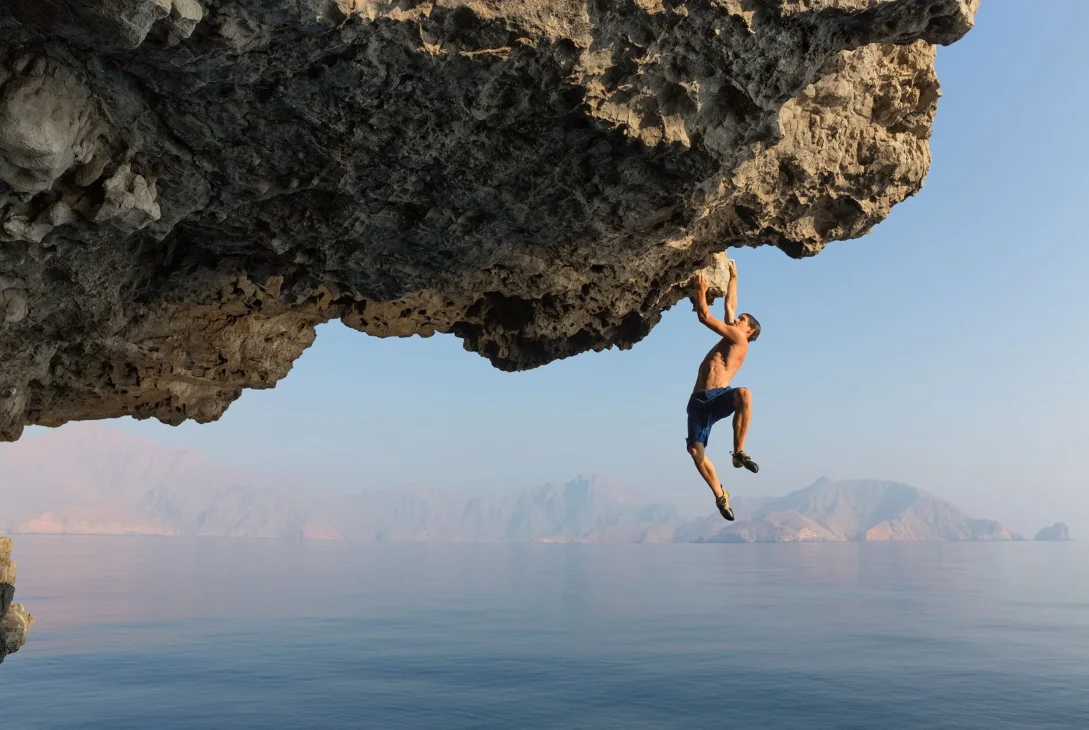
Alex Honnold is preparing to climb Taipei 101—once the tallest building in the world—without ropes, safety lines, or protective equipment, in a live televised event that will test both his reputation and the limits of broadcast risk.
Rising 1,667 feet above Taiwan’s capital, Taipei 101 has long dominated the skyline. On Saturday morning local time, Honnold will attempt to ascend the steel-and-glass skyscraper in his trademark free-solo style, a discipline defined by absolute commitment and zero margin for error. Netflix will air the climb on a short delay.
Honnold, 39, is best known for his ropeless ascent of El Capitan in Yosemite National Park, documented in the Oscar-winning film Free Solo. He has spoken for years about seeking climbing objectives that stand apart—structures that are singular in scale and presence. Taipei 101, he says, fits that standard.
“When you look at climbing objectives, you look for things that are singular,” Honnold told the Associated Press. “Something like El Capitan where it’s way bigger and way prouder than all the things around it.”
The climb has generated excitement and unease in equal measure. Critics have questioned the ethics of broadcasting such a high-risk stunt live, particularly given that Honnold is now married with two young daughters. Supporters argue that the risk is calculated, rehearsed, and intrinsic to the discipline itself.
Honnold will not be the first climber to scale Taipei 101. In 2004, French climber Alain Robert ascended the building using ropes during its grand opening. Honnold, however, will be the first to attempt the climb free solo. He has trained for months, rehearsed moves on the building, and consulted directly with Robert.
“I don’t think it’ll be that extreme,” Honnold said. “It’s hard enough to be engaging for me and obviously an interesting climb.”
The building’s most challenging section is its central stretch of “bamboo box” segments—64 floors of repeating overhangs broken by narrow balconies that offer brief opportunities to rest. The broadcast, titled Skyscraper Live, will air on a 10-second delay to allow producers to cut away in the event of an emergency.
Plimsoll Productions, which is overseeing the event, says extensive precautions are in place. Cameramen will be positioned inside the building and suspended externally on ropes. Weather conditions will be closely monitored, and Honnold retains the option to abandon the climb at any point.
Still, the ethical questions remain. Media ethicists have raised concerns about normalizing extreme risk and the influence such events may have on younger audiences. Free solo climbing has claimed many lives, and similar high-risk trends, such as illegal rooftop photography, have resulted in fatal accidents worldwide.
Supporters within the climbing community argue that the public often misunderstands the discipline. To climbers, they say, free soloing is not thrill-seeking but a focused, meditative practice shaped by preparation and restraint.
Jeff Smoot, author of All and Nothing: Inside Free Soloing, initially questioned the logic of the climb—why do it, why without ropes, why broadcast it live. Ultimately, he arrived at a more direct conclusion.
“If it wasn’t dangerous,” Smoot said, “would people want to watch?”
For Honnold, the answer appears beside the point. On Saturday, the building will be there, the cameras will be rolling, and gravity will be doing what it always does.
Celebrity Netflix News Sports Television
Last modified: January 23, 2026