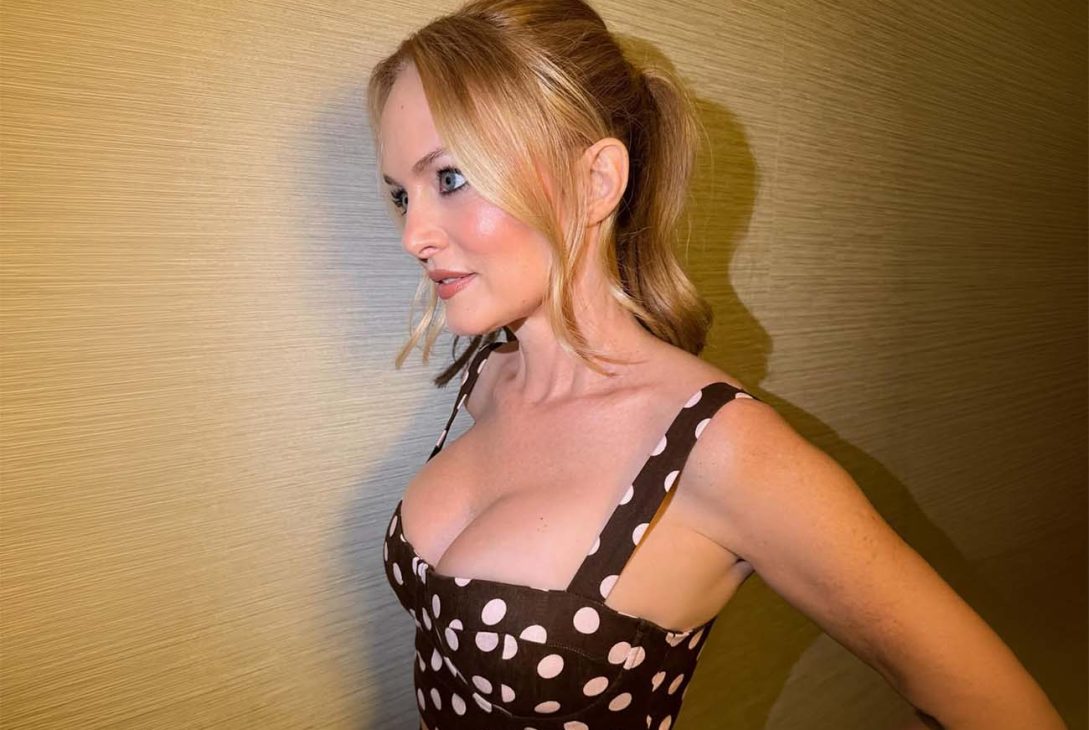
Hollywood has spent the past decade rewriting its rulebook on intimacy. Actress Heather Graham says the intention may be right — but the reality on set can feel anything but natural.
Speaking to Us Weekly, Graham reflected on the industry’s growing reliance on intimacy coordinators, a role that became standard after the #MeToo movement forced studios to confront long-ignored power imbalances and unsafe working environments.
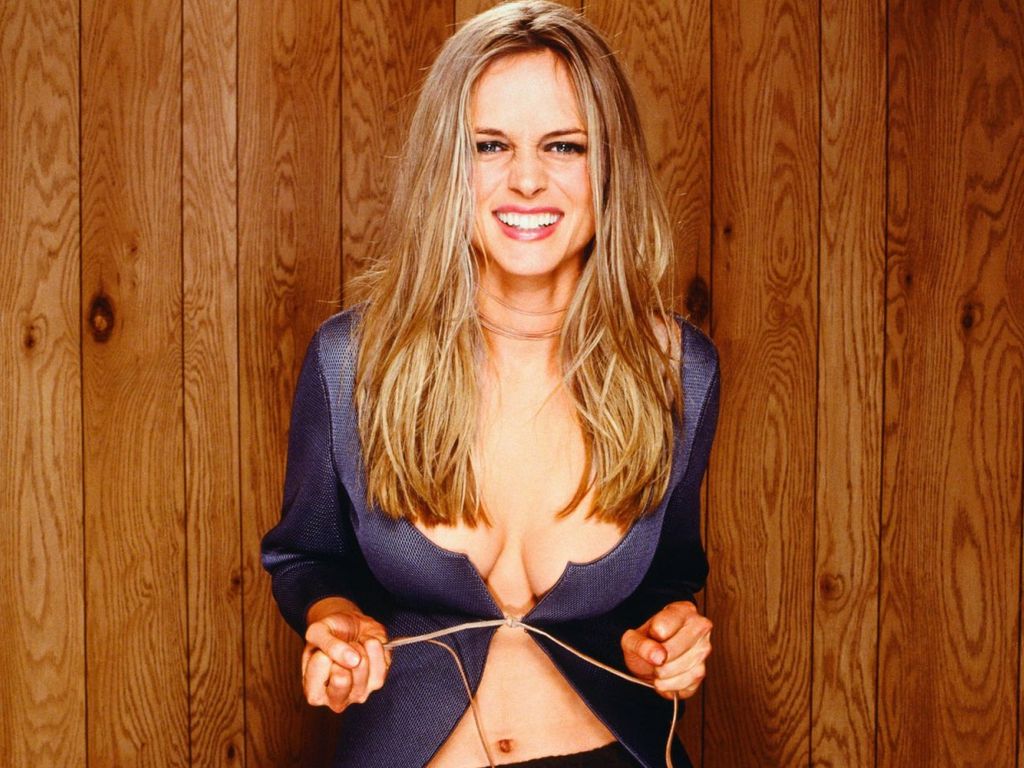
“The MeToo movement was amazing,” she said, acknowledging the protections now in place. But for actors who built careers before the shift, the adjustment has been jarring. “It’s odd when you come up without having them, and suddenly there’s this random person in the room just staring at you when you’re pretending to have sex. It’s kind of awkward.”
Graham’s criticism isn’t aimed at the principle. She repeatedly stressed that intimacy coordinators are there to safeguard performers. The friction, she suggested, comes when their role overlaps with creative direction.
Recalling one shoot, Graham said an intimacy coordinator began offering performance notes during a scene. “They were telling me how to have sex in the scene,” she said. “I was like, you’re not the director. I don’t want two different people directing me. It’s confusing.”

The comments land differently coming from Graham, a performer whose career tracks Hollywood’s changing attitude toward sexuality onscreen. She moved from early roles in films like License to Drive and Drugstore Cowboy to breakout performances in Boogie Nights, where erotic storytelling was central to the film’s identity.
Mainstream success followed with Austin Powers: The Spy Who Shagged Me, Bowfinger, and later The Hangover, cementing her as one of the era’s defining screen presences — comfortable navigating glamour, comedy and overt sexuality long before formal safeguards existed.
Now 56, Graham says experience has changed how she approaches those situations. Younger actors, she noted, may benefit from structured support systems designed to empower them to speak up. For herself, the calculation is simpler.
“At this point, I feel like I’m strong enough,” she said. “I just don’t want a lot of extra people in the room.”
Her latest film, They Will Kill You, arrives as Hollywood continues to negotiate where protection ends and creative freedom begins — a balancing act still playing out behind closed studio doors, long after the cameras stop rolling.
Last modified: March 27, 2026