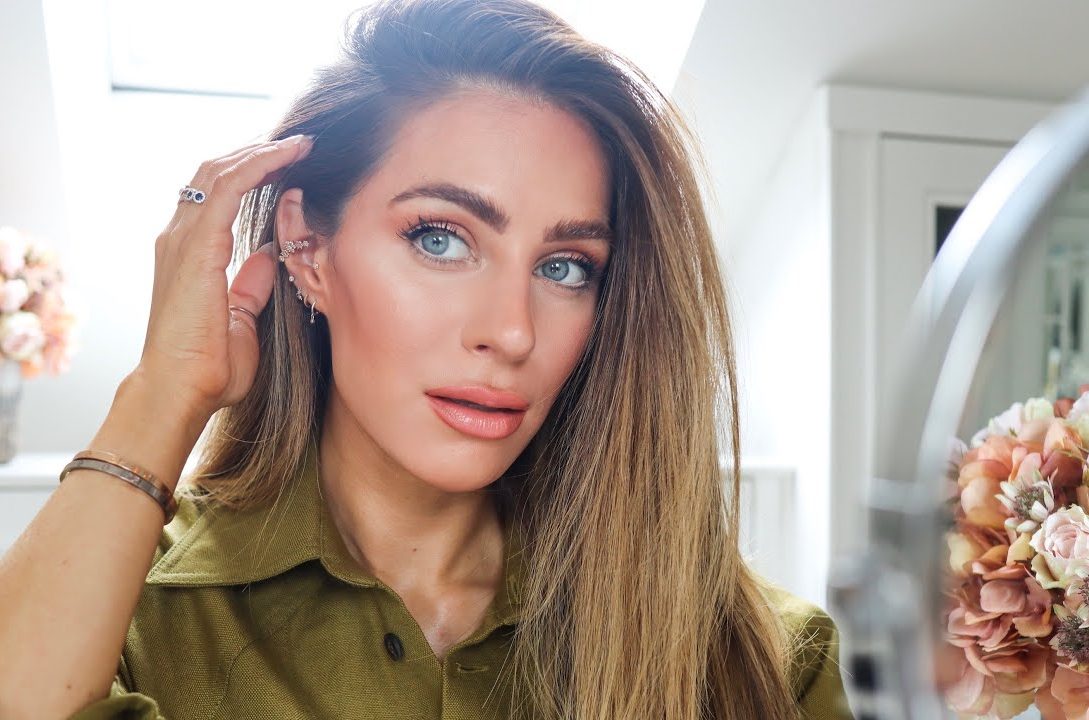
Lydia Millen, the British lifestyle influencer who has built a multimillion-pound brand on tweed, wellies, and a highly polished vision of rural England, is once again facing accusations that she prefers to mute criticism rather than engage with it.
The 37-year-old content creator, often described online as a leading “poshfluencer,” has reportedly blocked horse trainer and rural creator Bex Foster after Foster questioned the authenticity of Millen’s countryside aesthetic. Foster, who runs the popular TikTok account Bunkers Hill Farm Horses with more than 130,000 followers, has been openly critical of what she calls Millen’s “countryside cosplay.”

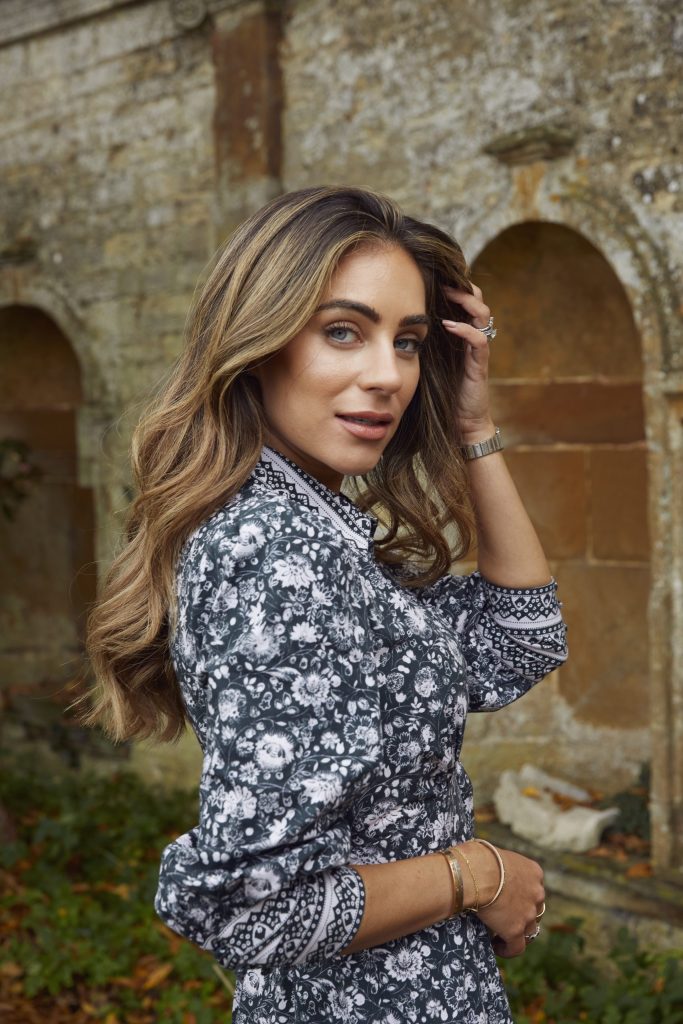
Millen, originally from Watford, has amassed a following of more than four million across platforms by sharing meticulously curated glimpses of life in her £2 million Cotswolds home. Her brand trades heavily on an idealised rural image: pristine boots, immaculately styled walks through muddy fields, and a version of country living that looks untouched by weather, labour, or inconvenience.
Foster claimed the block came as little surprise. Posting on the Facebook group Basingstoke Horses, she said she had previously made a video critiquing countryside influencers and admitted it was “not a glowing tribute.”
According to Foster, creators like Millen are not speaking to people who actually live and work in rural communities. Instead, she argues, the content is designed for urban audiences who enjoy the idea of the countryside rather than its realities.
She described the disconnect bluntly: cream trousers and suede boots in January mud, outfits styled for the camera rather than livestock, weather, or work. In her view, it’s not rural life being documented but a fantasy packaged for consumption.
“That content isn’t aimed at country people,” Foster wrote. “It’s aimed at town dwellers who like the idea of the countryside.” The version being sold, she suggested, involves pub lunches and cosy fires rather than pre-dawn starts, freezing mornings, and practical clothing layered for survival, not aesthetics.

Foster went further, labelling the trend “countryside cosplay for the wealthy,” a performance made profitable by years of social media algorithms rewarding polish over realism. She pointed to Instagram’s role in elevating spotless feeds filled with champagne at the races, golden retrievers in matching tweed, and a carefully controlled image of rural privilege.
This is not the first time Millen has been accused of blocking dissent. In December, claims circulated that she was systematically restricting access to her content, allegedly blocking creators perceived as having “working-class energy,” a phrase that sparked its own backlash online.
Millen has not publicly responded to Foster’s claims. But the episode highlights a widening fault line in influencer culture, particularly around lifestyle branding: who gets to represent a place, a class, or a way of life—and who gets quietly removed when they point out the cracks in the image.
Hot Chicks Influencers Social Media
Last modified: January 28, 2026