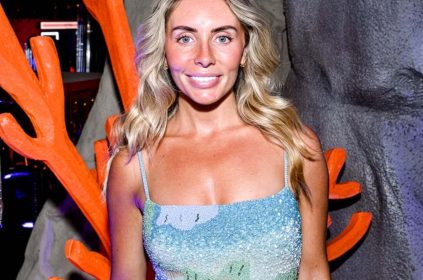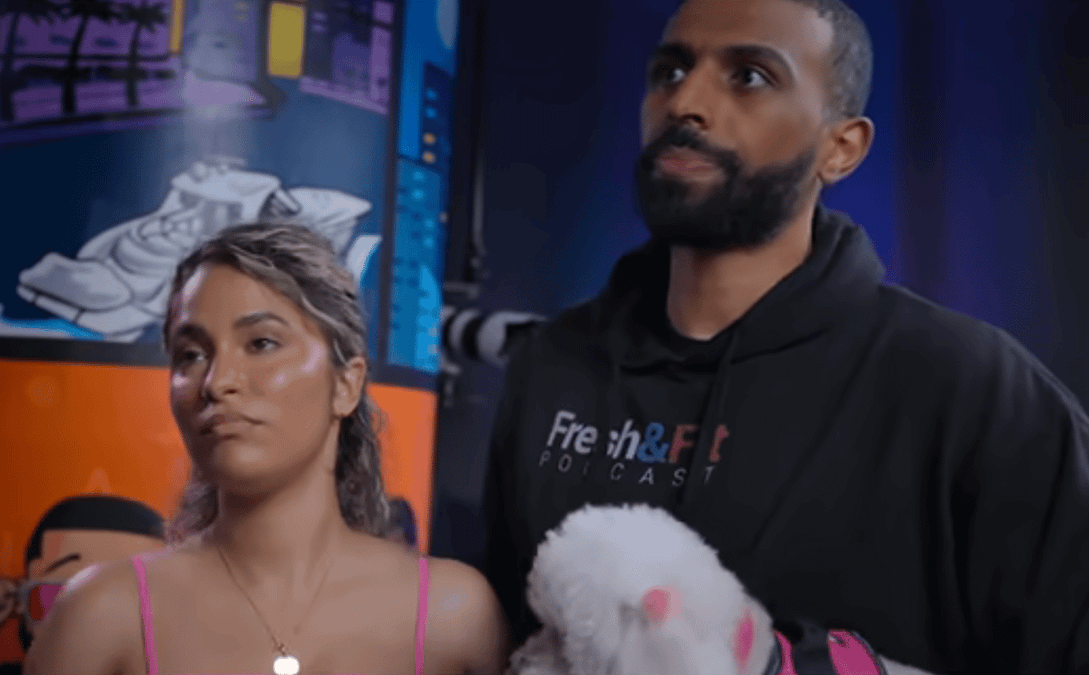
There’s a familiar tension running through Inside the Manosphere, the latest Netflix dispatch from Louis Theroux. The formula hasn’t changed much: embed, observe, prod gently, let the subject unravel. This time, the focus is a loose network of online personalities selling a hard-edged worldview to young men—one built on dominance, grievance, and a steady stream of outrage.
At the centre of it sits Myron Gaines, real name Amrou Fudl, co-host of the Fresh and Fit podcast and a man who has turned provocation into a business model. His talking points are well-rehearsed—on women, race, sexuality—delivered with the kind of blunt force that travels well online. He’s also the author of Why Women Deserve Less, which tells you most of what you need to know about the brand. Social media hasn’t been kind to him either; Gaines has been banned from Instagram, a casualty of the platform’s crackdown on content deemed “hate speech” or inflammatory.
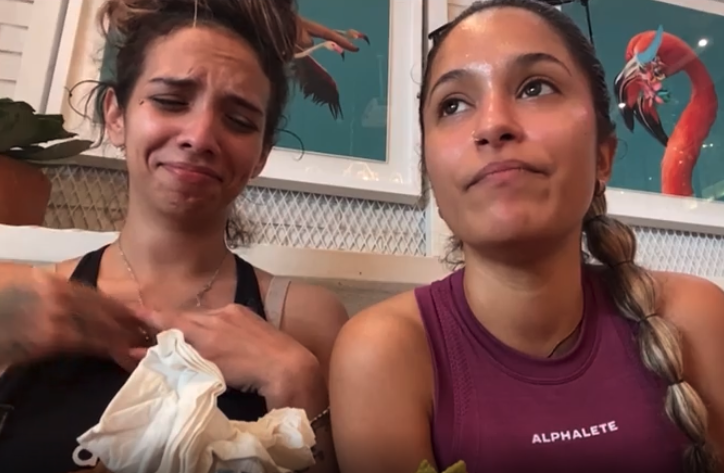
Theroux’s angle is straightforward: sit across from Gaines, ask simple questions, and let the contradictions surface. Gaines describes his ideal relationship as “one-way monogamy”—loyalty from his partner, freedom for himself. In the film, his then-girlfriend Angie appears alongside him, offering a quieter, more uncertain counterpoint. When asked about his ambition to have multiple wives, she doesn’t quite buy in. “I don’t know how that will work,” she says. It lands heavier than anything Gaines says.
By the end of the documentary, the relationship is over. The split, we’re told, happened six months prior to release. Gaines later framed it in practical terms—Angie wanted a family, he wasn’t ready. No theatrics, just a shrug and a timeline.
But the real fallout came after the credits rolled. Gaines took to X and YouTube almost immediately, accusing Theroux of shaping a narrative rather than documenting one. He called the film “woke,” said it pushed an agenda, and claimed key moments were left on the cutting room floor. According to him, the interviews were selectively edited to flatten the nuance and sharpen the critique.
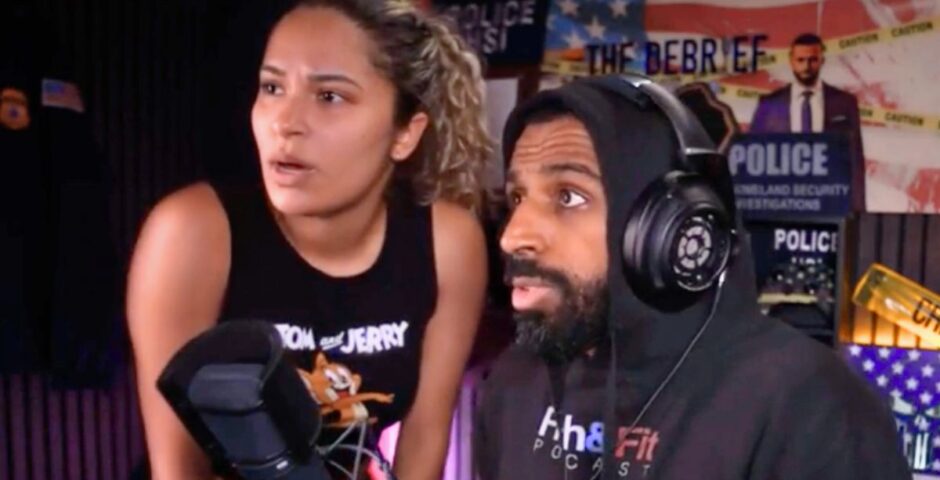
He went further, labelling Theroux a “coward” and Netflix “woke garbage,” while insisting he’d recorded his own footage as insurance. One specific gripe: a longer exchange on antisemitism that he says didn’t make the final cut—because, in his view, it didn’t fit the story being told.
It’s the same old argument, just dressed for the algorithm era. Subject claims misrepresentation, filmmaker stands by the edit, audience picks a side. Theroux has built a career on that grey area—never quite confrontational, never entirely neutral. Gaines, on the other hand, thrives in absolutes.
What Inside the Manosphere ultimately shows isn’t just a clash between two men, but between two ecosystems. One trades in slow-burn observation, the other in high-velocity reaction. One edits for narrative, the other for impact. And somewhere in the middle, Angie walks away, Gaines loses his platform, and the cameras keep rolling.
Influencers Netflix Television
Last modified: March 18, 2026