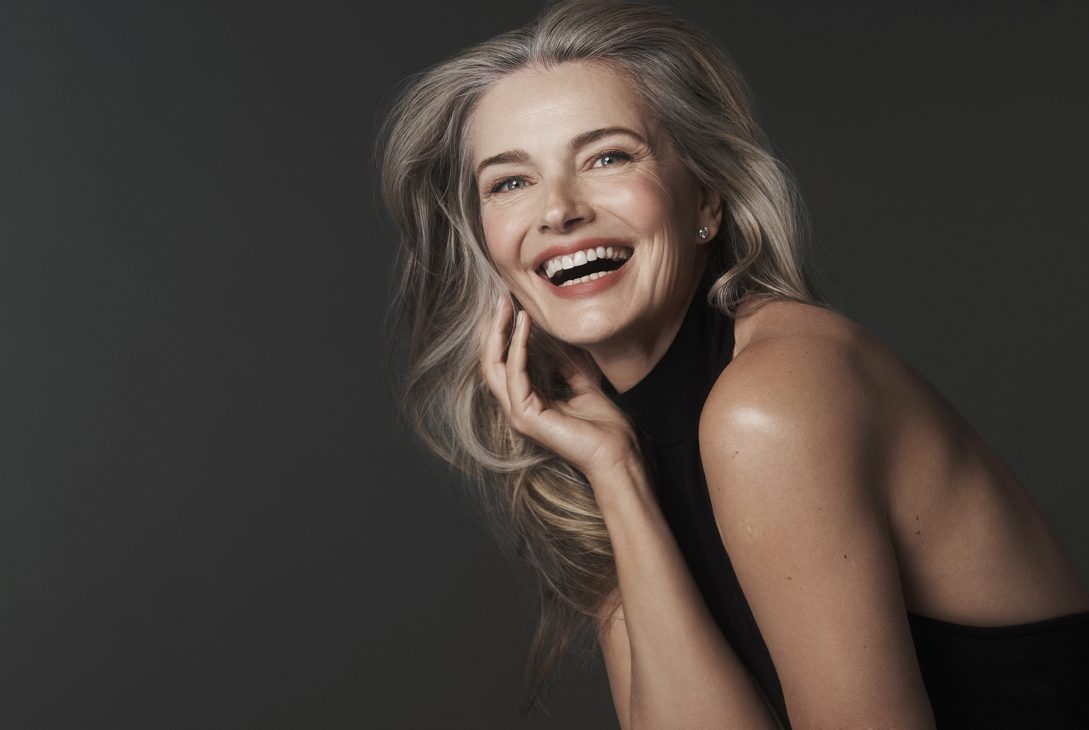
Paulina Porizkova is revisiting the realities behind one of fashion’s most iconic careers, offering a candid look at how early fame shaped her understanding of identity, approval and personal boundaries. Speaking on the Twenty Good Summers podcast alongside fiancé Jeff Greenstein, the former supermodel described a lifetime spent learning to comply — a survival instinct that began long before the runway.

Porizkova traced that mindset back to childhood, growing up with what she describes as emotionally distant parents. Approval, she recalls, often felt conditional, earned only through performance. One early memory stands out: being pushed onto a stage at just three years old, terrified beneath bright lights yet instinctively understanding that pleasing an audience meant receiving attention. The lesson stayed with her — admiration followed performance, not authenticity.
By the time she entered modeling at 15, the dynamic felt familiar. The industry rewarded obedience, efficiency and silence. Porizkova explained that doing what was asked — including posing topless — became less about agency and more about navigating a system where resistance risked opportunity. Compliance, she said, was simply the fastest way through uncomfortable situations and the most reliable way to maintain approval.

Her reflections arrive amid renewed conversations about power structures within fashion during the 1980s and ’90s. Earlier this year, Porizkova detailed experiences of sexual harassment encountered as a teenage model, recalling assignments that sent her alone to hotel rooms, private apartments and meetings with older men who blurred professional boundaries. At the time, she viewed these encounters as part of the job description rather than violations — an expectation woven into the culture of the industry itself.
Porizkova’s career reached global visibility when she became the first Central European woman to appear on the cover of Sports Illustrated Swimsuit Issue in 1984, a milestone that cemented her as an international symbol of beauty. Yet she now frames that success through a more complicated lens, acknowledging that fame amplified the pressure to remain agreeable, polished and perpetually accommodating.

At 60, her perspective has shifted toward self-definition rather than validation. Porizkova says true acceptance — being valued for who she is rather than what she performs — did not arrive until her late fifties. Aging, she argues, has brought a freedom often denied to younger women in image-driven industries: the ability to reject expectations altogether. After decades spent mastering how to please others, she now speaks less about reinvention and more about permission — finally allowing herself to exist without performing for approval.
Celebrity Fashion Hot Chicks Models
Last modified: April 9, 2026