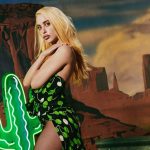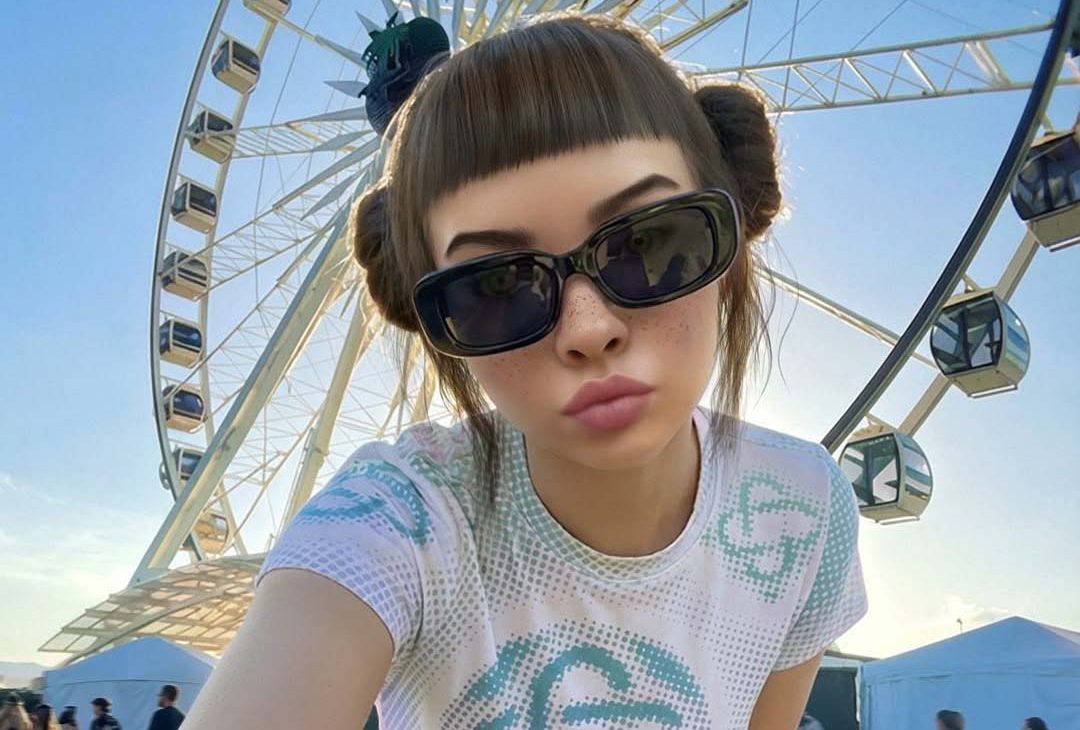
Coachella has always been a magnet for excess—sound, sun, branding, spectacle. But this year, another layer has slipped into the frame. Not just influencers. Not just celebrities. But influencers who aren’t real at all.
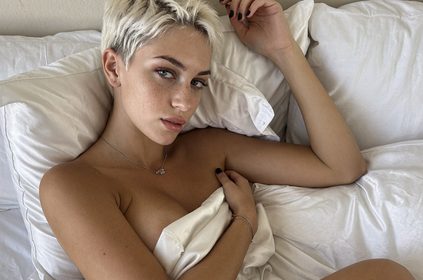
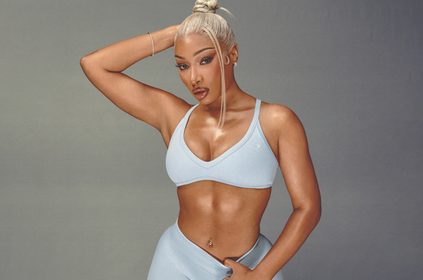
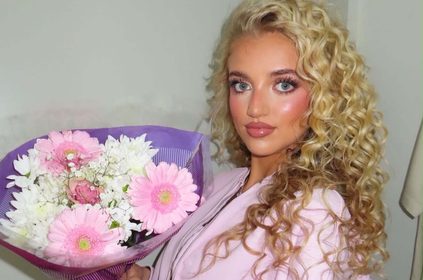
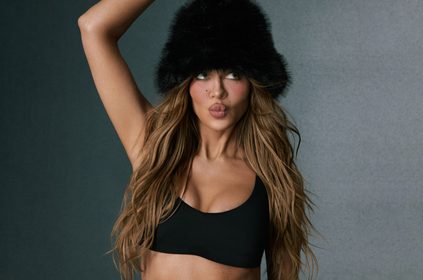
A growing wave of AI-generated personalities are now producing Coachella-themed content across Instagram and TikTok, staging festival lives from inside servers, not tents. They show up in front of the Ferris wheel, pose with the Kardashians, and document “weekends” that never happened.
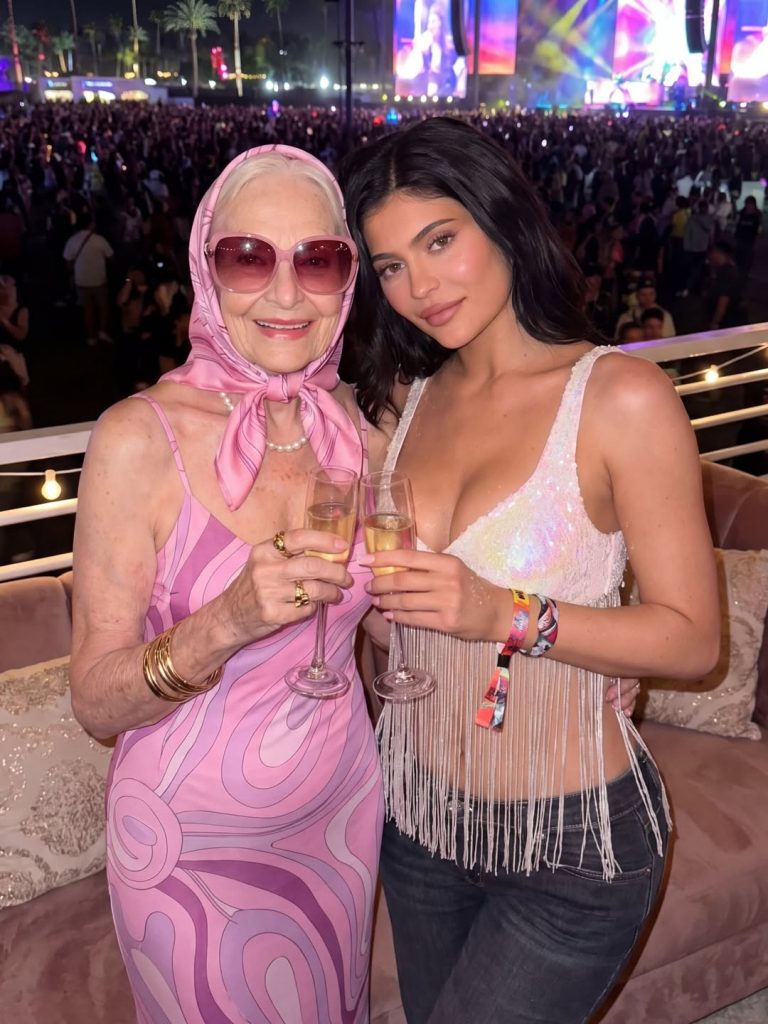
Accounts like @its_gigi_mae and @grannyspills post polished festival imagery—friends, outfits, celebrity encounters—captioned like any other influencer diary. The difference is simple: there is no person behind the camera because there is no camera. Some even claim encounters with Kylie Jenner, Kourtney Kardashian, and Kendall Jenner as part of their constructed festival narratives.
Among the most visible is Lil Miquela, one of the earliest and most followed AI influencers, who has built a multi-million follower base through carefully engineered lifestyle content. Her recent Coachella posts, like others in the space, blur the line between simulation and memory, between marketing and fiction.
The economics are starting to catch up with the aesthetics.
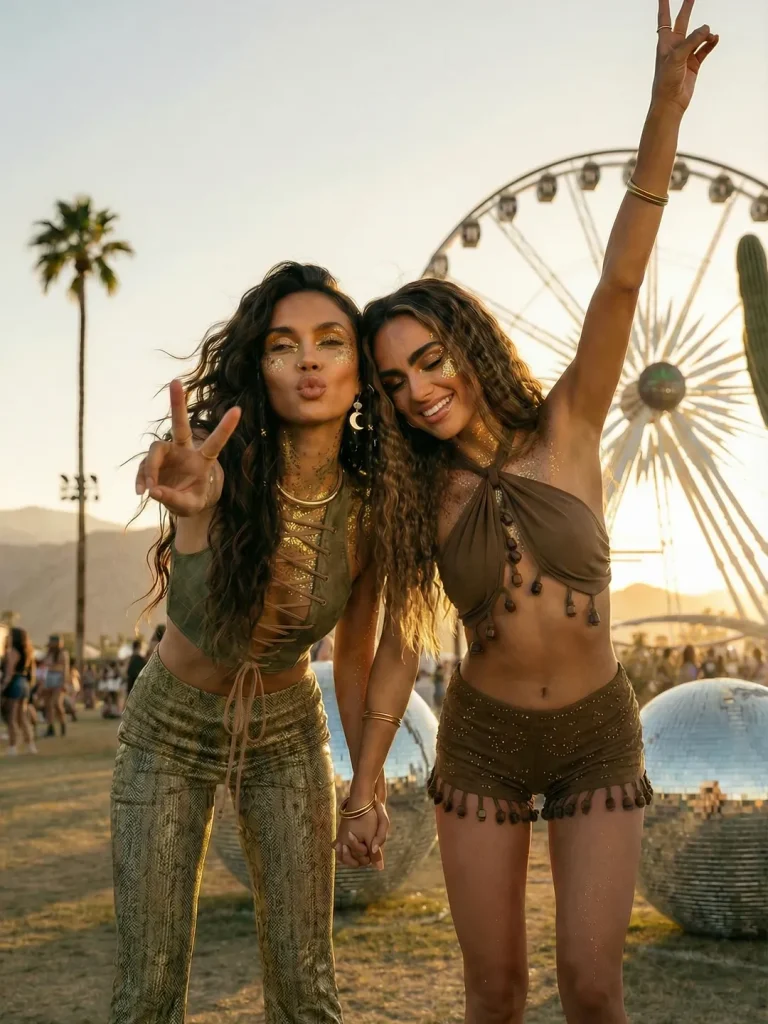
Industry figures estimate AI influencers can generate more than $40,000 from a single cultural moment like Coachella through a mix of subscription platforms, brand deals, and affiliate content. Some projections go higher for accounts with established audiences, particularly as brands experiment with virtual ambassadors who never miss a shoot, never age, never crash out.
Lewis Davey, who runs AI influencer talent agency Pixel, describes the strategy as opportunistic but calculated. Big events, he argues, are where attention concentrates—and attention is the currency. AI creators are simply moving into the flow of it.
“AI influencers are increasingly showing up in big cultural moments because it drives relevance,” he said. “Brands can collab with AI influencers and ‘show up’ at events without the need for a physical presence.”
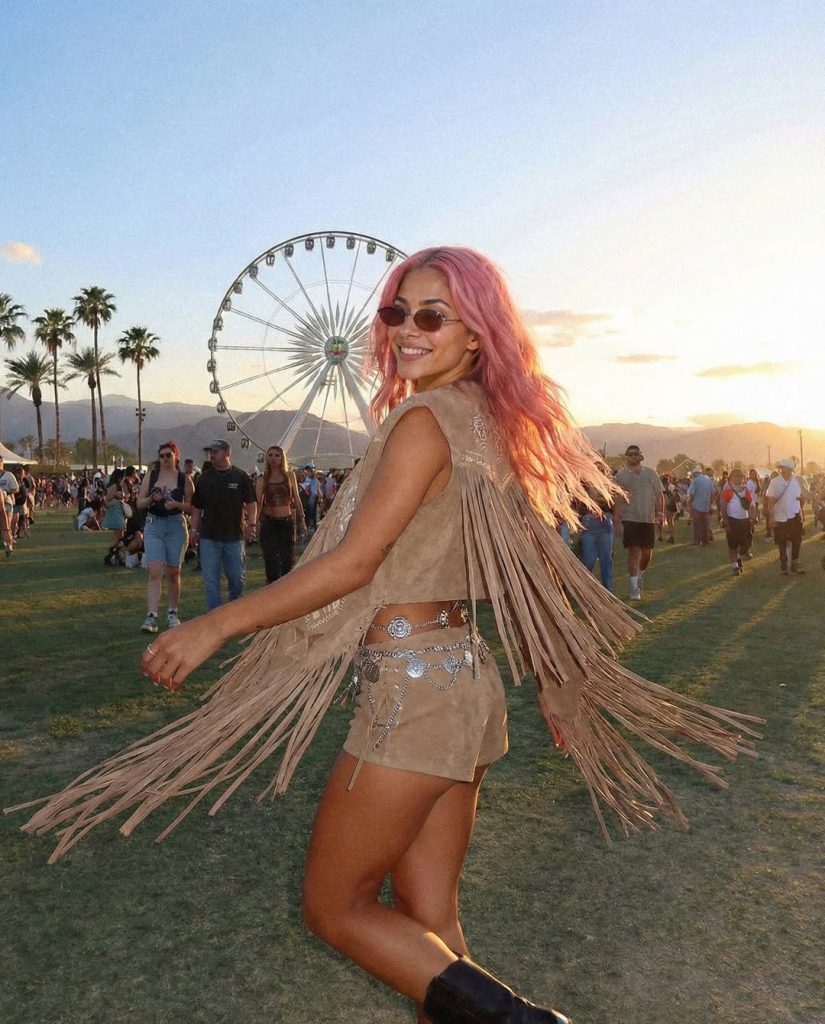
That shift is already visible. Accounts like @fit_aitana, fronted by AI model Aitana López, are explicitly monetising festival content through subscription platforms, offering behind-the-scenes material that exists entirely in digital construction.
The engagement is real even when the subjects are not. Comments fluctuate between confusion and complicity. Some users question whether they’re looking at AI. Others play along, treating the fiction as a known illusion rather than a deception.
“This is a smart tactic,” Davey added, pointing to how AI personas align themselves with cultural tentpoles like Coachella to maintain relevance and advertiser interest.
The scale is accelerating. Thousands of entrants are now competing in AI-focused creator awards, with prize pools reaching into the tens of thousands, signalling a shift from experimental novelty to structured industry.
What used to be an experiment in digital identity is now a functioning marketplace. Coachella, once a festival of bodies and noise, is also becoming a backdrop for something that doesn’t need to be there at all.
AI Festivals Influencers Social Media
Last modified: April 16, 2026