The internet doesn’t wait for confirmation. It builds narratives first, verifies later—or not at all.
That’s what happened with Haliey Welch, the viral figure who became shorthand for a very specific corner of mid-2024 meme culture. Once the clip detonated across social media, the attention didn’t just stay on the moment itself. It started rewriting her off-screen life.

The rumor: OnlyFans, adult content, and “inevitable monetisation”
As Welch’s public appearances slowed following a memecoin controversy tied to her online rise, speculation filled the gap. On platforms built for inference rather than fact, a narrative formed: viral fame plus monetisation pressure equals adult content subscription pivot.
It’s a familiar equation in 2020s internet logic. Viral women, in particular, are routinely pushed into that assumption, regardless of evidence.
In Welch’s case, there is no verified indication she created or sold explicit adult content on platforms like OnlyFans. The claim spread faster than any supporting detail.
What she actually said
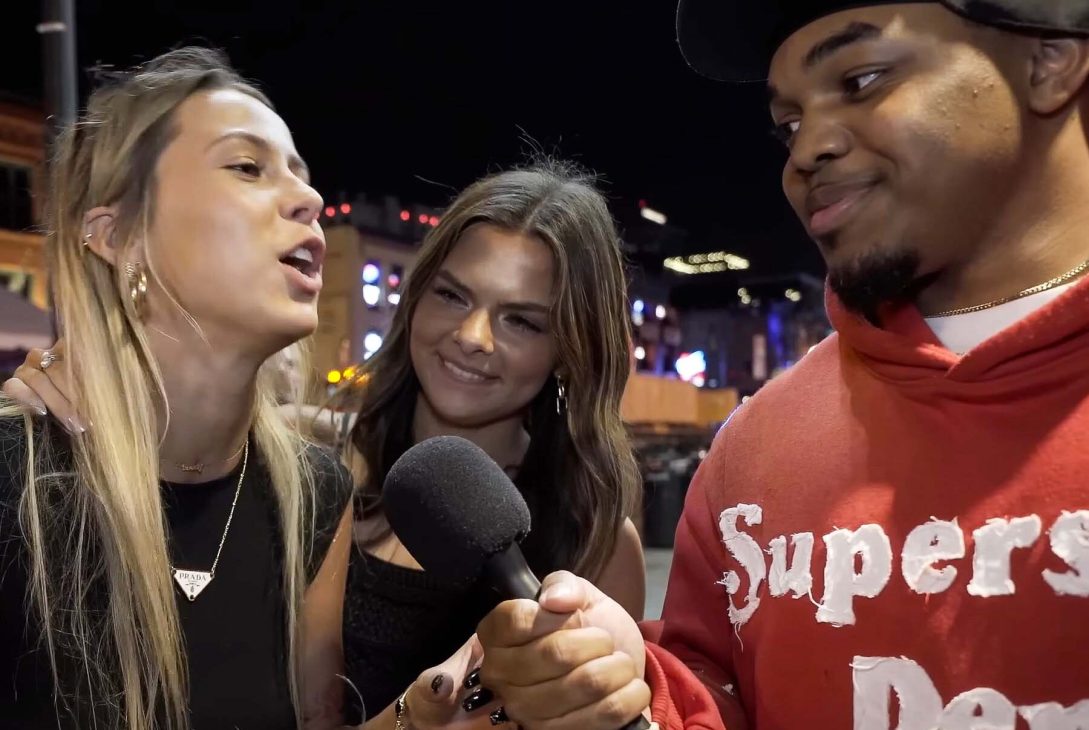
Welch has directly addressed the speculation in interviews, including a conversation with Andrew Callaghan of Channel 5.
She dismissed the idea outright, stating she does not intend to join OnlyFans and framing it as a misread of who she is and what she wants to do with her visibility.
Instead, she pointed to FanFix—a subscription-based platform that restricts explicit content—as her current digital base. The distinction matters: FanFix sits in the broader creator economy, but outside the adult-content ecosystem that often gets lumped into the same conversation.
From viral moment to monetisation pressure
Welch’s trajectory follows a now-standard pattern: one spontaneous viral clip, then rapid scaling of attention, followed by an attempt to stabilise income streams before momentum fades.
Brand deals, content platforms, and crypto-linked visibility all became part of that ecosystem. The $HAWK token controversy added volatility to her public image, with online debate spilling into questions of credibility, intent, and financial ethics.
None of it, however, changes the core fact: virality creates demand for continuation. If there’s no new content, speculation fills the space.

The job she left behind—and may return to
In interviews, Welch has also spoken about her life before internet fame, describing work in a small factory environment that she speaks about with a kind of grounded familiarity. She has suggested she would return to that kind of work if needed.
It’s an unusually ordinary counterpoint in a story that otherwise moves through memes, trading tokens, and platform monetisation cycles.
The larger pattern: assumptions about viral women
The reaction to Welch isn’t unique. It reflects a broader digital reflex where female viral figures are quickly mapped onto adult-content economies, regardless of whether they participate in them.
That assumption says less about the individuals involved and more about the audience conditioning around how internet fame is supposed to be monetised.
In reality, the creator economy is wider than its stereotypes. Some move into adult platforms. Many don’t. Most end up somewhere in between: brand content, subscription apps, appearances, and short-lived monetisation windows built around attention spikes.
Bottom line
There’s no confirmed adult-content career behind the “Hawk Tuah” girl narrative—just a familiar internet chain reaction: virality, speculation, and a financial ecosystem eager to assign the next step before it exists.
In Welch’s case, she’s publicly denied it, chosen a restricted-content platform instead, and is still shaping what comes after the meme.
The internet, as usual, moved faster than the facts.
Hot Chicks Influencers OnlyFans Social Media
Last modified: May 19, 2026