There’s a predictable narrative Hollywood likes to sell — the fallen child star, the shocking career pivot, the scandal that writes itself.
But according to Maitland Ward, the story runs the other way around.
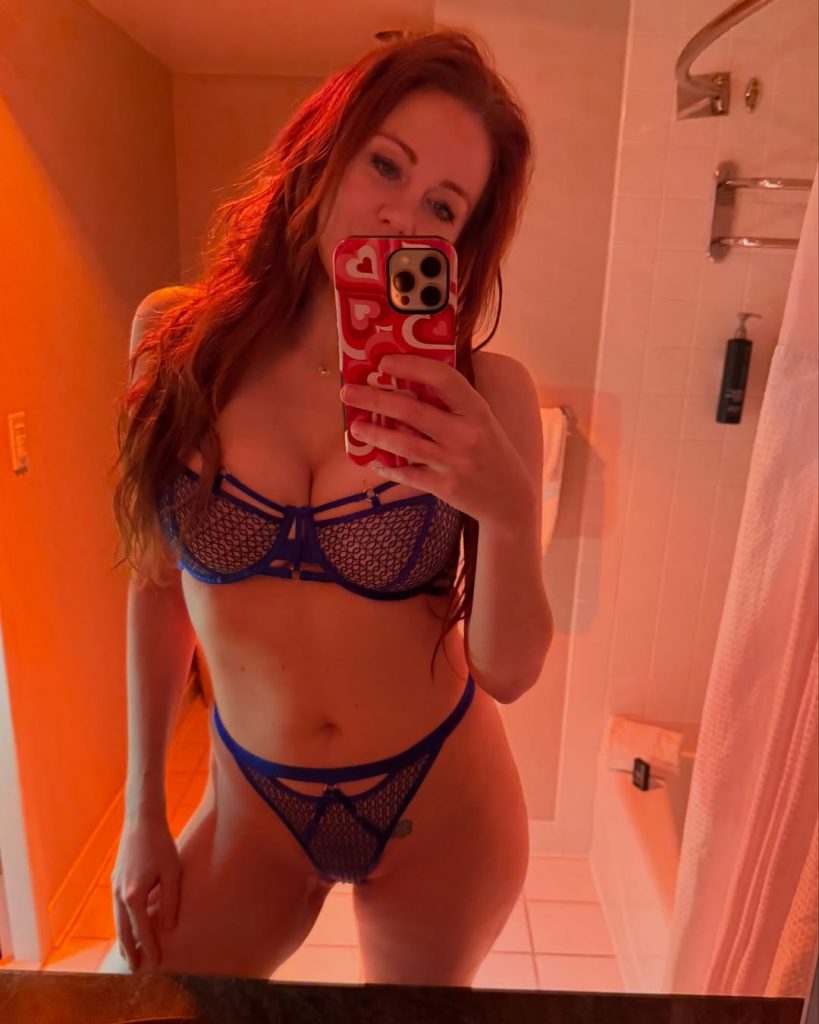
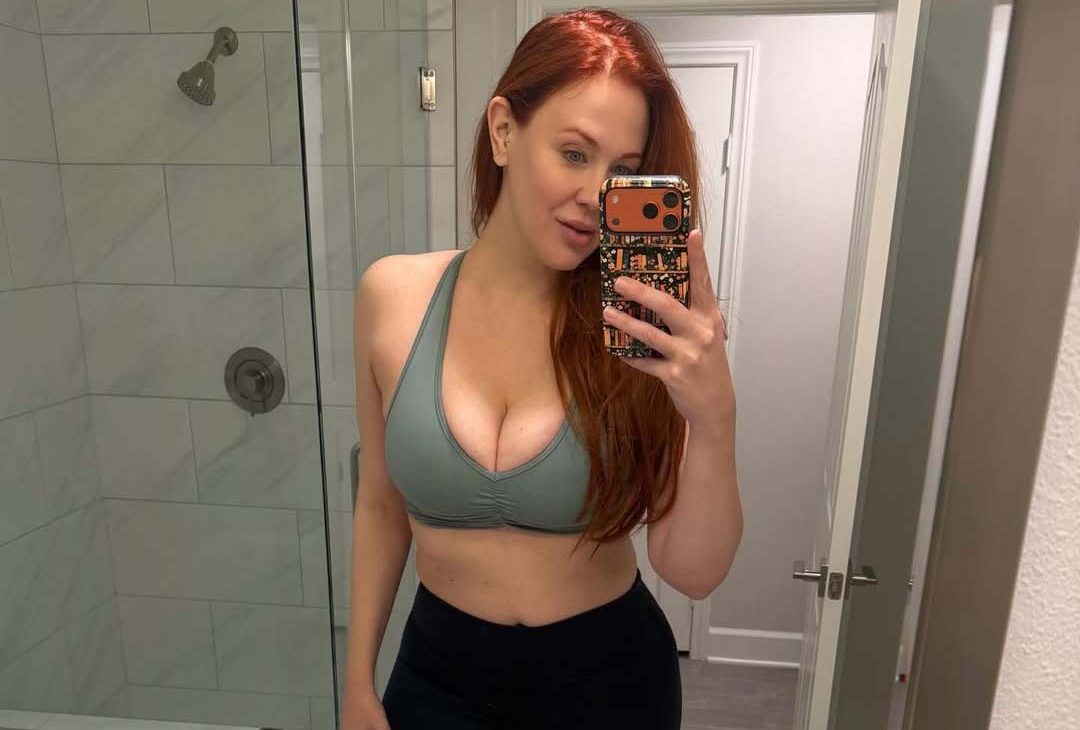
Long before she entered adult entertainment, Ward says the real discomfort came during her early years inside mainstream television — the polished, family-friendly machine that launched her career. Known first as Jessica Forrester on The Bold and the Beautiful and later as Rachel McGuire on Boy Meets World, Ward became a familiar face of 1990s pop culture while still a teenager.
Now 49, she’s revisiting that period in an upcoming episode of Hollywood Demons, where she describes an industry that treated young actors less like artists and more like inventory.

Ward says the environment functioned like a factory line — studios shaping performers into carefully packaged versions of youth, sexuality, and marketability. At the time, she didn’t question it. The expectation was simple: be professional, fit the mold, keep moving.
Looking back, she describes feeling disconnected from her own instincts while navigating roles and publicity that placed young performers in increasingly provocative territory. The message, she says, was clear — success meant becoming what executives believed audiences wanted, whether or not that reflected reality.
Her participation in the documentary, she explains, became a form of closure. Speaking openly about her teenage and early adult experiences allowed her to reassess an era when many young stars were simultaneously marketed as innocent and sexualised — a contradiction that defined late-90s celebrity culture.

Ward points to figures like Britney Spears as emblematic of the period: performers publicly pressured to project purity while being promoted through overtly sexual imagery. According to Ward, that tension wasn’t organic audience demand but an industry narrative imposed from above.
Ironically, she argues, her later move into adult entertainment felt less deceptive than Hollywood itself. The expectations were transparent. The persona belonged to her.
In a media landscape still reckoning with the treatment of young talent, Ward’s reflections land less as confession and more as revision — a reminder that sometimes the biggest reinvention isn’t leaving Hollywood, but finally understanding how it worked.
Hollywood Hot Chicks Influencers News Porn Stars
Last modified: April 28, 2026