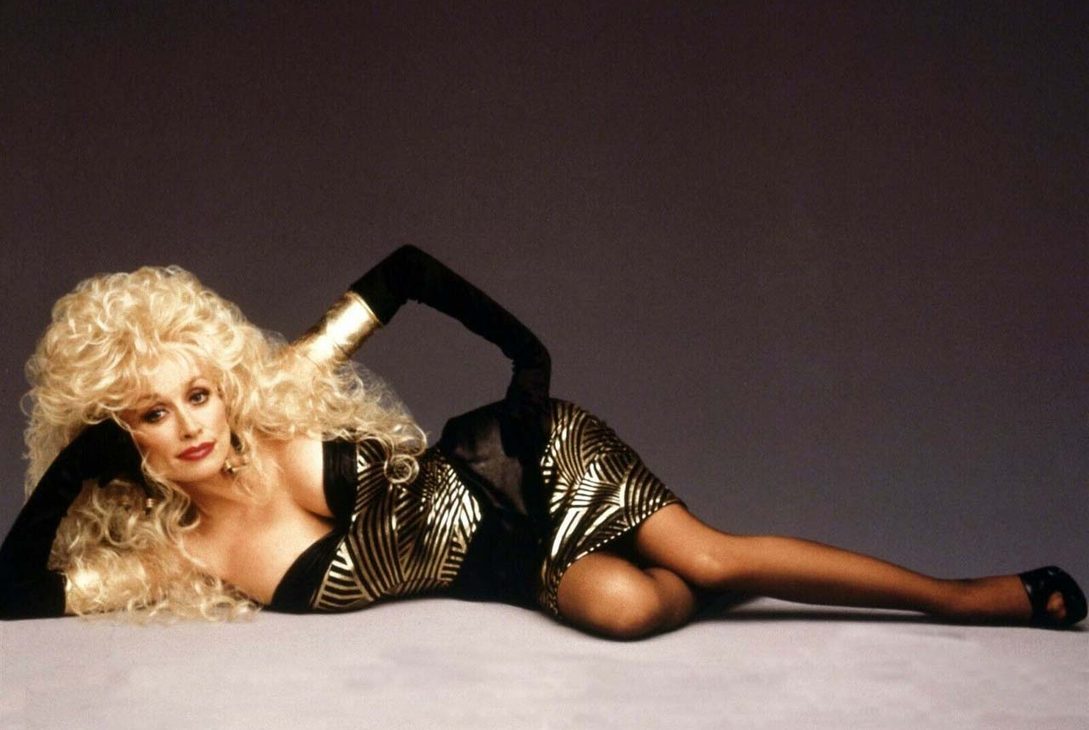
Dolly Parton never believed in dressing down. At just five feet tall, she built a larger-than-life image around sky-high heels, towering blonde wigs, rhinestones, acrylic nails and enough glitter to light up a country stage. Her own summary of the look was characteristically dry: “It costs a lot of money to look this cheap!”
Parton’s style was rooted in her Tennessee upbringing but pushed firmly into fantasy. She called herself the “Backwoods Barbie”, and the name suited a wardrobe built around plunging necklines, cinched waists, shoulder pads, lace, sequins and plenty of pink. The joke was always part of it. Parton knew exactly how excessive she looked and had no interest in apologising for it.
“When I moved to Nashville in 1964, I already had some ideas about what I wanted to look like onstage — and off,” she wrote in her 2023 book Behind the Seams. “Country stars had to have big hair and some sparkles, and you had to have a Cadillac. I had the big hair but not yet the Cadillac — or enough sparkles.”
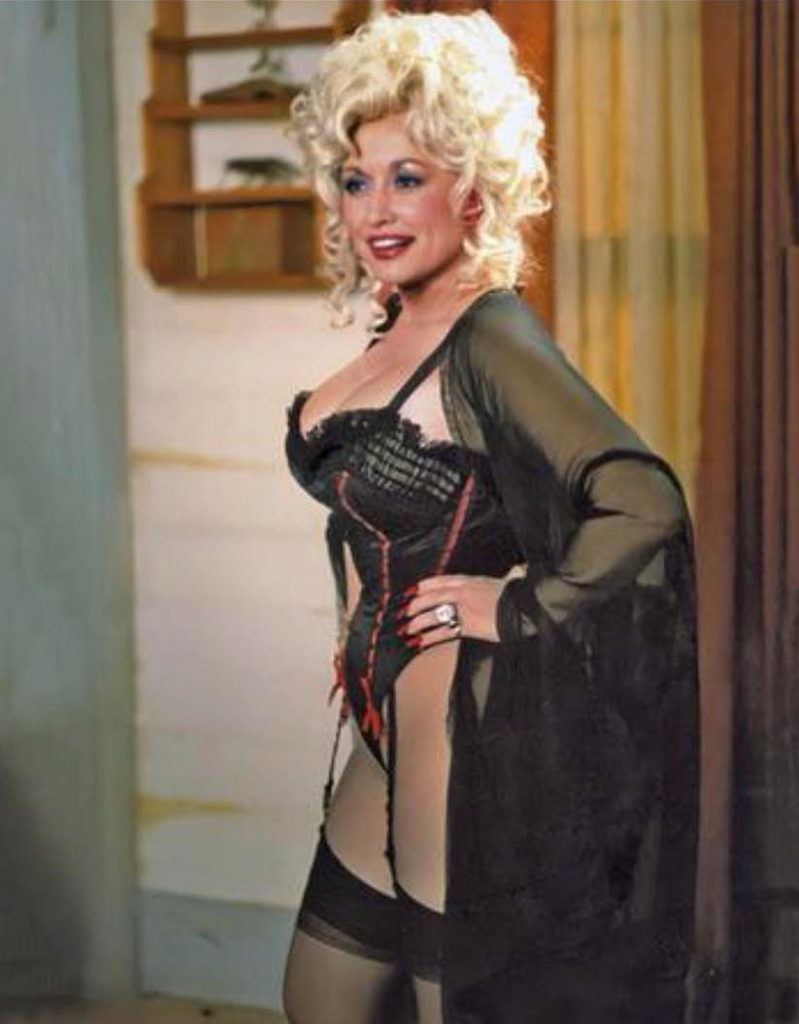
Her influences ranged from Grand Ole Opry stars such as Jean Shepard to the famously provocative Frederick’s of Hollywood catalogues she discovered as a young woman. Parton took those references and made them her own, favouring glamour that deliberately flirted with bad taste.
“I want to look a little bit, you know, trashy,” she said last year. “I don’t mean it in a bad way. I just like that kind of almost artificial look. I like the overdone. I like the bleached hair.”
That conviction became important early in her career. After signing to Monument Records in 1965, Parton recalled that the label’s president wanted to flatten her hair and put her in more streamlined clothes. She refused. “But I hated everything about it. I felt naked,” she wrote.
Even when the clothes were softer, the proportions remained unmistakably Dolly. The cover of her 1973 album Jolene showed her in stripes with billowing white shoulders and her blonde hair framing her face. On stage, however, she went bigger: hot-pink jumpsuits, icy blue gowns, pearl-covered jackets and elaborate costumes designed to be seen from the back row.
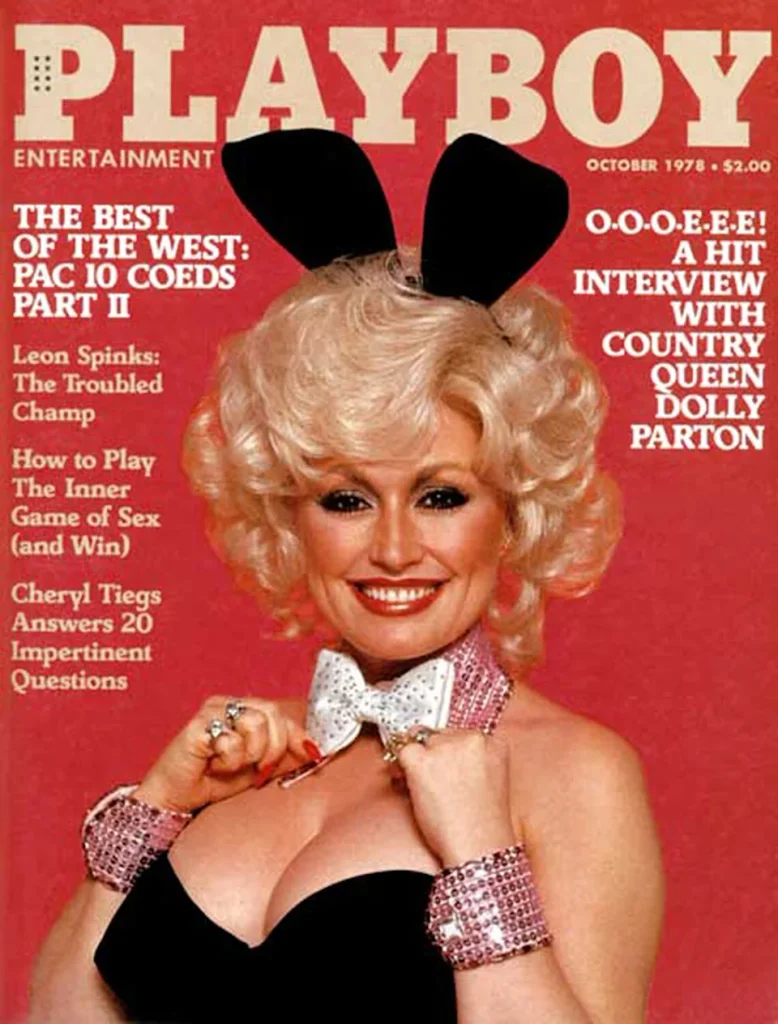
Designer Bob Mackie became one of her notable collaborators, creating the wing-like “Butterfly” gown worn for her 1979 television special Dolly & Carol in Nashville. Parton also brought her particular brand of glamour to more formal settings. At a 2000 White House luncheon connected to her Imagination Library charity, she wore a vivid fringed yellow skirt suit with matching heels.
Fringe, cowboy hats and bell-bottoms kept one foot in country music, while sequins, bright colours and elaborate styling pushed everything firmly into Parton territory.
The wardrobe was also a serious operation. Longtime stylist Steve Summers told Vogue that Parton wore around 300 custom outfits a year. Everything was made for her in some form, even when the starting point was an off-the-rack garment. “There is an outfit in production every single day,” Summers said. “If she’s doing personal appearances, 10 outfits in a day is not unusual.”
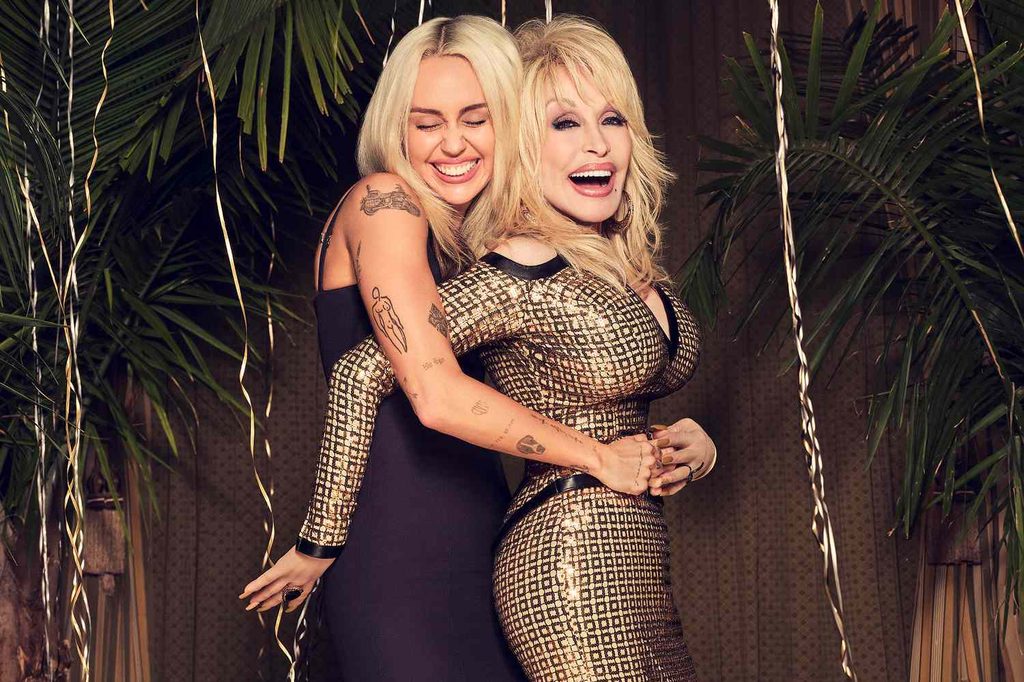
Parton’s influence eventually spread well beyond country music. Miley Cyrus has performed alongside her in matching looks, Beyoncé revisited “Jolene” for her own interpretation, and Sabrina Carpenter has embraced the same unapologetic femininity in performances with Parton. Fans have joined in, too, with British photographer Alice Hawkins spending a decade documenting people dressing up and living out their own Dolly-inspired fantasies in Dear Dolly, published in 2022.
Parton even once entered a Dolly lookalike contest at a West Hollywood gay bar. She lost.
“I say it’s a good thing I was a girl or I’d be a drag queen,” she later recalled.
That sense of humour was central to the whole operation. Dolly Parton’s style was extravagant, unmistakable and deliberately artificial, but never without self-awareness. The clothes were the spectacle. The message underneath was simpler: dress however you want, own it and don’t wait for permission.
“I’m gonna be me, ’cause I know who I am and you don’t.”
Celebrity Hollywood Hot Chicks Music News
Last modified: August 26, 2026