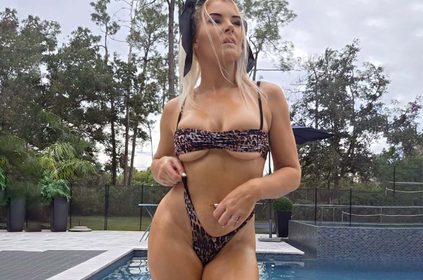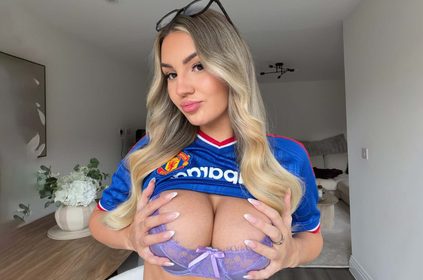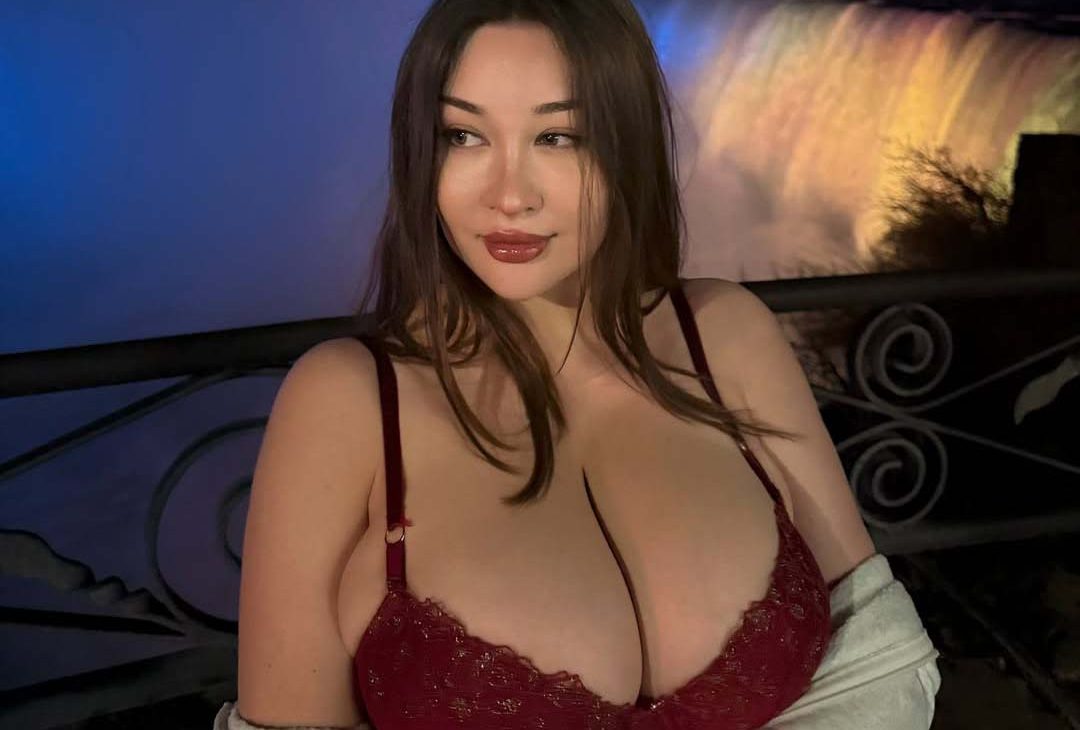
A model known for her 30HH bust and the online following it helped generate is pushing back against the idea that viral attention equals an easy life. The photos circulate widely. The assumptions move even faster.
Louisa Khovanski has built a sizeable audience across social platforms, where her figure is central to her brand. But she says the public version of her life leaves out the constant friction that comes with it — attention that doesn’t switch off, and a body that is always being read before she speaks.
Based in Toronto, she describes a routine shaped as much by logistics as by influence. Clothes that don’t fit. Conversations that start in the wrong place. And a steady stream of projections from strangers who feel they already know her.
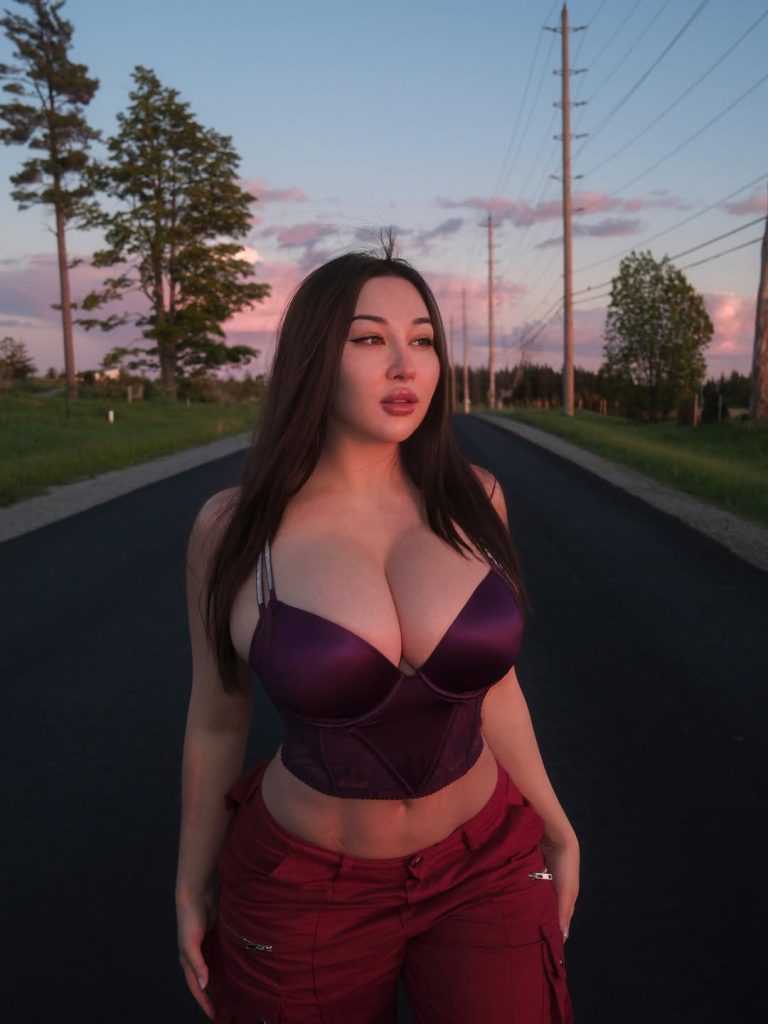
“People think having large breasts is some kind of superpower,” she said. “They see the photos online and assume everything is perfect. But there are plenty of downsides that nobody talks about.”
She says the experience is less glamour, more persistence. Being seen too much in one way, and not enough in any other.
“People think it’s every man’s dream and that women with large breasts have it easy,” she said. “But having a large chest can be exhausting. People stare constantly. You walk into a room and sometimes you can feel eyes on your chest before they’ve even looked at your face.”
There is also the business side — the part that rarely trends. Khovanski has turned her visibility into a career built on content, marketing, and constant output. She rejects the idea that attention alone equals success.
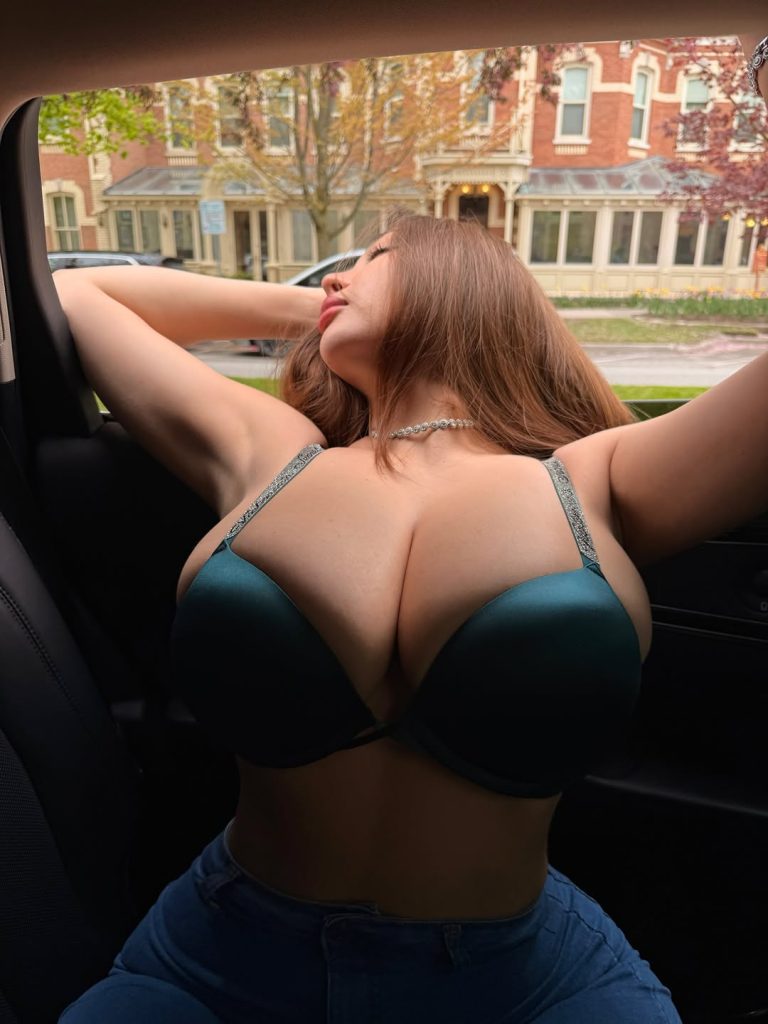
“People say my breasts made me famous,” she said. “But posting a photo is the easy part. Building a business, managing a brand and creating content every day is what actually takes work.”
She points to the mechanics behind the feed: photography decisions, audience expectations, timing, tone. The unglamorous structure behind the image.
Fashion, she says, remains one of the most consistent frustrations. Standard sizing rarely accounts for her proportions, forcing compromises or alterations.
“Shopping can be frustrating,” she said. “Something might look amazing on the hanger, but once I try it on, it’s a completely different story. If something fits my waist, it usually doesn’t fit my chest. And if it fits my chest, it’s often too loose everywhere else.”
The visibility also shapes how she is judged. Online criticism often reduces her identity to a single feature, flattening anything else underneath it.
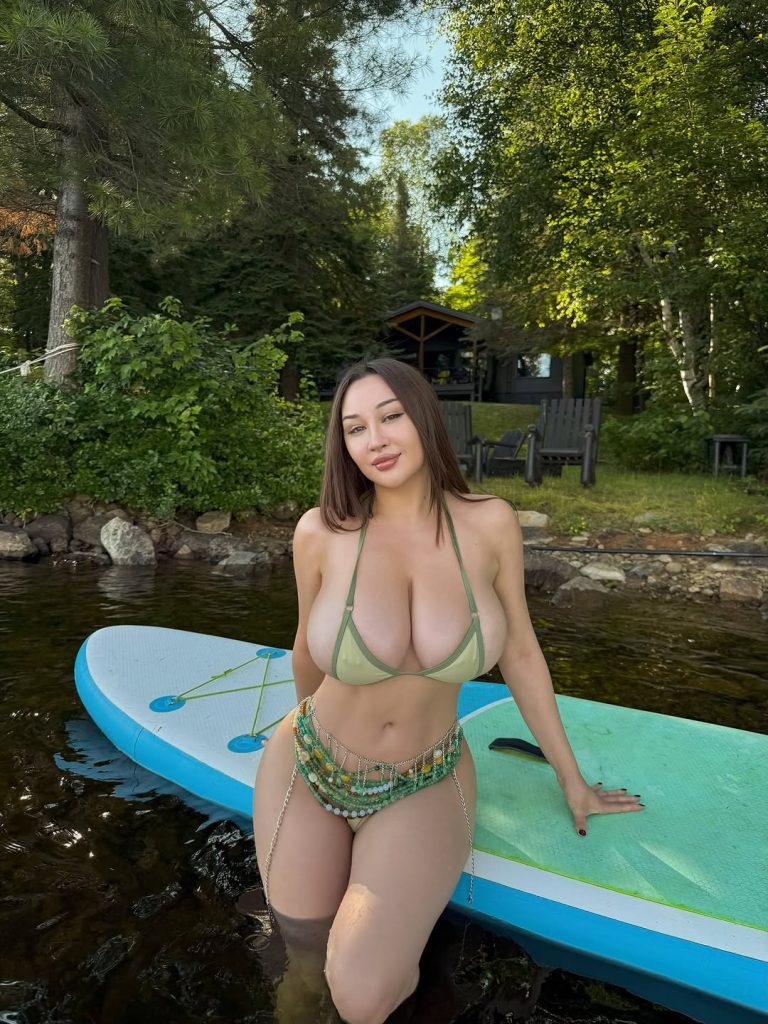
“Some people automatically assume you’re less intelligent or that you haven’t worked for your success,” she said. “It’s strange because people make judgments before you’ve even spoken.”
Dating, she adds, carries its own version of the same problem — attention that arrives pre-loaded with assumptions, and doesn’t always move past them.
“Sometimes people are more interested in what I look like than who I am,” she said. “You quickly learn who is genuinely interested in you and who is only interested in your body.”
Still, she doesn’t frame the experience as purely negative. The same visibility that brings scrutiny has also built her platform. Her focus now is control — over narrative, over work, over how she is seen.
“I’ve spent years becoming comfortable with who I am,” she said. “I don’t think women should feel pressured to hide their bodies or apologise for them. At the same time, I think people should remember there’s a real person behind every photo.”
Hot Chicks Influencers Models Social Media
Last modified: June 11, 2026